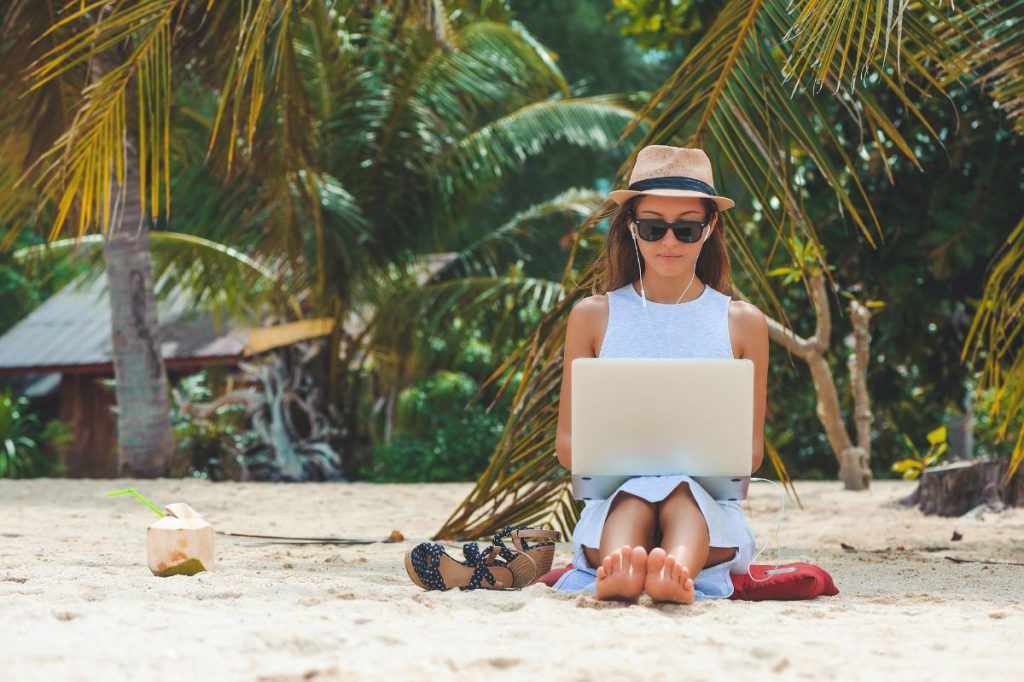
The idea of working from a beach in Bali or a café in Paris is no longer a dream—it’s a lifestyle embraced by millions. The digital nomad lifestyle blends work and travel, allowing individuals to earn a living while exploring the world on their own terms.
But beyond the Instagram-perfect visuals lies a lifestyle that requires planning, discipline, and adaptability.
What is a Digital Nomad?
A digital nomad is someone who works remotely using technology and travels frequently instead of staying in one fixed location. This lifestyle is powered by the internet, flexible jobs, and a growing global acceptance of remote work.
Common digital nomad professions include:
- Freelance writers and bloggers
- Web developers and designers
- Online marketers and SEO specialists
- Virtual assistants
- Remote corporate employees
Why Choose the Digital Nomad Lifestyle?
Choosing this path isn’t just about travel—it’s about freedom and control over your life.
Key advantages include:
- Location independence – Work from anywhere in the world
- Flexible schedules – Design your own work hours
- Cultural exposure – Experience diverse traditions and lifestyles
- Career autonomy – Work on projects that align with your interests
However, this freedom also comes with responsibilities and trade-offs.
Essential Skills for Digital Nomads
To succeed as a digital nomad, you need more than just a laptop and Wi-Fi.
Important skills include:
- Time management – Balancing work deadlines with travel plans
- Self-discipline – Staying productive without supervision
- Communication skills – Collaborating across time zones
- Adaptability – Adjusting to new environments quickly
Best Destinations for Digital Nomads
Some places are more suited to remote work due to affordability, internet quality, and community support.
Popular digital nomad hubs include:
- Bali, Indonesia – Affordable living and vibrant coworking spaces
- Lisbon, Portugal – Great weather and strong digital infrastructure
- Chiang Mai, Thailand – Budget-friendly with a large nomad community
- Medellín, Colombia – Pleasant climate and growing tech scene
Practical Tips for Getting Started
Starting your digital nomad journey can feel overwhelming, but a structured approach makes it easier.
Follow these steps:
- Secure a remote income source before traveling
- Test the lifestyle locally by working remotely from nearby cities
- Choose destinations with reliable internet
- Invest in travel insurance and backup plans
- Keep your finances organized with budgeting tools
Challenges You Should Be Aware Of
While the lifestyle is appealing, it’s not without its downsides.
Common challenges include:
- Unstable internet connections
- Loneliness and lack of community
- Time zone differences affecting work
- Visa and legal complications
- Maintaining work-life balance
Understanding these challenges beforehand helps you prepare effectively.
The Future of Remote Work and Travel
The rise of remote work has transformed how people view careers and mobility. Companies are increasingly offering flexible work options, and many countries now provide digital nomad visas to attract global talent.
This shift suggests that the digital nomad lifestyle is not just a trend—it’s a long-term evolution of work culture.
Frequently Asked Questions (FAQs)
1. Do I need special qualifications to become a digital nomad?
No, but having a skill that can be performed online—such as writing, coding, or marketing—is essential.
2. How much money do I need to start?
It depends on your destination, but having at least 3–6 months of savings is recommended.
3. Is internet access reliable everywhere?
Not always. It’s important to research destinations and have backup options like mobile hotspots.
4. Can beginners start as digital nomads?
Yes, but it’s best to gain some remote work experience before fully committing.
5. Are digital nomads always traveling?
Not necessarily. Many stay in one place for weeks or months before moving on.
6. How do digital nomads handle visas?
Many countries offer tourist visas or special digital nomad visas with varying requirements.
7. Is the digital nomad lifestyle sustainable long-term?
Yes, if managed well with stable income, proper planning, and a balanced routine.