Backpacking is one of the most rewarding ways to explore the world. It offers freedom, flexibility, and a deeper connection to your surroundings. But the success of any backpacking trip depends heavily on what you pack—too much, and you’re weighed down; too little, and you may find yourself unprepared.
This guide breaks down the essential items every backpacker should carry for a smooth and enjoyable adventure.
The Golden Rule of Backpacking
Before diving into the list, remember one key principle:
Pack light, but pack smart.
Every item in your bag should serve a purpose. Aim for versatility, durability, and comfort.
Choosing the Right Backpack
Your backpack is your most important piece of gear—it carries your entire journey.
Look for these features:
- Capacity: 40–60 liters for most trips
- Comfortable straps and back support
- Lightweight but durable material
- Multiple compartments for organization
A well-fitted backpack reduces strain and makes long walks far more comfortable.
Clothing Essentials
Clothing should be minimal, functional, and suited to your destination’s climate.
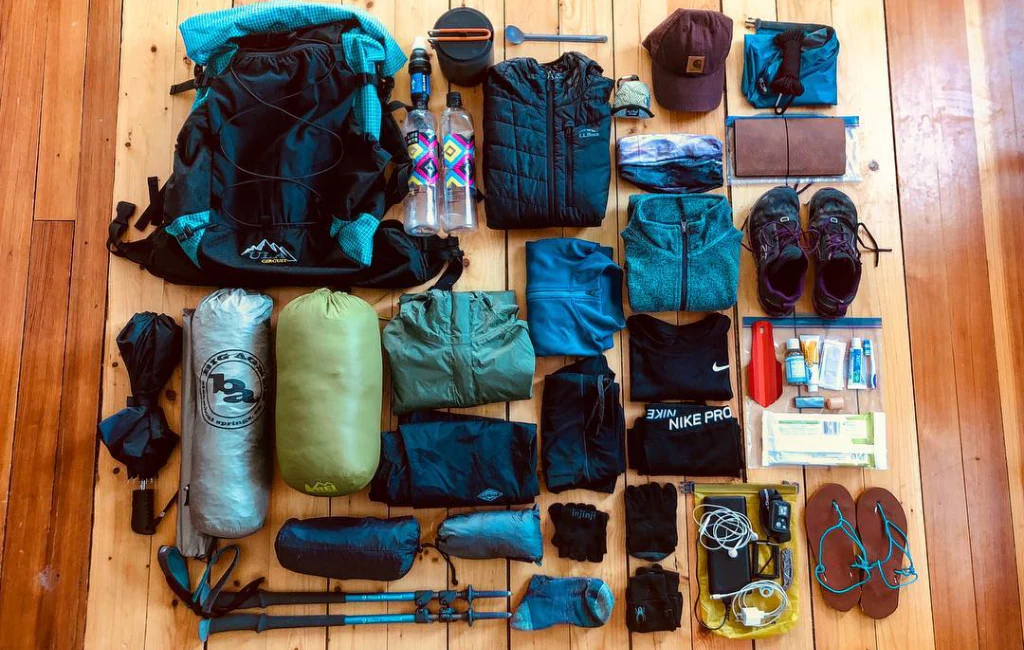
Pack these basics:
- Moisture-wicking t-shirts (2–3)
- Lightweight pants or shorts
- Thermal layer or jacket
- Compact rain jacket or poncho
- Undergarments and socks
- Comfortable walking shoes or hiking boots
Toiletries and Personal Care
Keep your hygiene kit compact and travel-friendly.
Must-have items:
- Toothbrush and toothpaste
- Travel-size soap or body wash
- Quick-dry towel
- Sunscreen and lip balm
- Basic skincare essentials
- Hand sanitizer and wet wipes
Avoid carrying full-size products—opt for small, refillable containers.
Tech and Gadgets
Technology can enhance your travel experience, but overpacking gadgets is a common mistake.
Carry only what you truly need:
- Smartphone
- Power bank
- Charging cables
- Universal travel adapter
- Lightweight laptop or tablet (if required)
Keep your tech minimal to save space and reduce risk.
Travel Documents and Essentials
Never overlook your important documents—they are your lifeline during travel.
Always carry:
- Passport and visa copies
- Travel insurance documents
- ID cards
- Emergency contacts
- Debit/credit cards and some cash
Store these in a secure, waterproof pouch.
Outdoor and Safety Gear
If your trip includes hiking or outdoor exploration, safety gear is essential.
Include:
- First aid kit
- Reusable water bottle
- Headlamp or flashlight
- Multi-tool or Swiss knife
- Lightweight sleeping bag (if needed)
- Map or offline navigation app
Preparedness can make a huge difference in unexpected situations.
Food and Snacks
Having quick energy sources on hand is always a good idea.
Pack:
- Energy bars
- Dry fruits and nuts
- Instant meals (for longer treks)
These are lightweight and help you stay energized during long journeys.
Packing Tips for Maximum Efficiency
Packing isn’t just about what you bring—it’s about how you organize it.
Smart packing strategies:
- Roll clothes instead of folding to save space
- Use packing cubes for better organization
- Keep frequently used items easily accessible
- Distribute weight evenly in your backpack
- Leave some extra space for souvenirs
Common Packing Mistakes to Avoid
Even experienced travelers make packing errors.
Avoid these pitfalls:
- Overpacking unnecessary items
- Carrying heavy “just in case” gear
- Ignoring weather conditions
- Forgetting essential documents
- Not testing your backpack before the trip
A short trial run can help you identify what works and what doesn’t.
Final Thoughts
Backpacking is all about simplicity and adaptability. The right gear allows you to travel confidently while staying light and flexible. By focusing on essentials and smart packing, you can fully enjoy the journey without being weighed down.
Frequently Asked Questions (FAQs)
1. How heavy should a backpack be for travel?
Ideally, your backpack should not exceed 10–15% of your body weight for comfort and mobility.
2. What size backpack is best for beginners?
A 40–50 liter backpack is perfect for beginners as it offers enough space without encouraging overpacking.
3. Is it better to roll or fold clothes?
Rolling clothes saves space and reduces wrinkles, making it the better option for backpacking.
4. How can I keep my belongings safe?
Use anti-theft backpacks, locks, and keep valuables close to your body in crowded areas.
5. Do I really need a first aid kit?
Yes, even a small kit with basic supplies can be extremely useful in emergencies.
6. What type of shoes should I pack?
Comfortable, durable walking or hiking shoes are essential for most backpacking trips.
7. Can I backpack with just carry-on luggage?
Yes, many travelers successfully backpack using carry-on-sized bags by packing efficiently.