Understanding Fashion Beyond Clothing
Fashion is more than just what people wear—it’s a dynamic form of self-expression, cultural storytelling, and social identity. From traditional garments rooted in heritage to modern streetwear influenced by global trends, fashion evolves constantly while reflecting the values and lifestyles of its time.
At its core, fashion communicates without words. It signals personality, profession, mood, and even beliefs. Whether subtle or bold, every choice—from color to fabric—tells a story.
The Evolution of Fashion Through Time
Fashion has always been shaped by historical, economic, and cultural shifts. What people wore decades ago often reflected societal norms and available resources.
Key Influences on Fashion Evolution
- Cultural heritage: Traditional attire still influences contemporary designs.
- Technology: Innovations like synthetic fabrics and digital design tools.
- Globalization: Trends now travel faster across countries and continents.
- Media & celebrities: Public figures heavily impact style preferences.
Today, fashion is no longer dictated by a few elite designers; it’s influenced by social media, street culture, and individual creativity.
Types of Fashion Styles
Fashion isn’t one-size-fits-all. It branches into diverse styles, each catering to different personalities and occasions.
Popular Fashion Styles
- Casual Wear: Comfortable and everyday outfits like jeans, t-shirts, and sneakers.
- Formal Wear: Tailored suits, dresses, and attire for professional or special events.
- Streetwear: Urban-inspired clothing featuring hoodies, oversized fits, and sneakers.
- Bohemian Style: Free-spirited fashion with flowing fabrics and earthy tones.
- Minimalist Fashion: Clean lines, neutral colors, and simple silhouettes.
Each style allows individuals to craft their own visual identity.
The Role of Sustainability in Fashion
In recent years, the fashion industry has faced criticism for its environmental impact. This has led to a growing movement toward sustainable and ethical fashion.
Why Sustainable Fashion Matters
- Reduces textile waste and pollution
- Promotes ethical labor practices
- Encourages mindful consumption
- Supports eco-friendly materials
Consumers are now prioritizing quality over quantity, investing in pieces that last longer and have a smaller environmental footprint.
How to Develop Your Personal Style
Creating a personal style doesn’t require a large wardrobe—it requires awareness and intention.
Steps to Build Your Style
- Understand your preferences: Identify colors, fits, and fabrics you enjoy.
- Start with basics: Build a foundation of versatile clothing items.
- Experiment gradually: Try new trends without abandoning comfort.
- Focus on fit: Well-fitted clothes enhance appearance more than expensive ones.
- Stay authentic: Trends come and go, but personal style remains.
Confidence is the most essential element—what you wear should make you feel like yourself.
Fashion and Cultural Identity
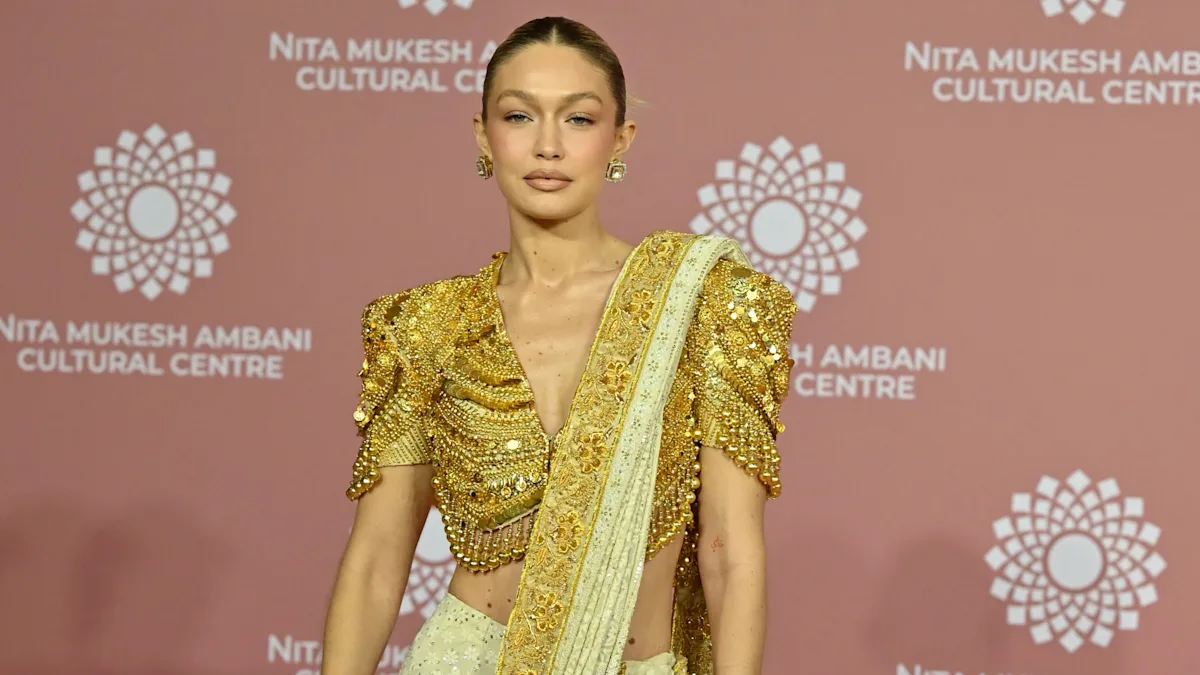
Fashion often bridges tradition and modernity. In many regions, traditional attire is being reinterpreted with contemporary designs, allowing people to stay connected to their roots while embracing modern aesthetics.
This fusion reflects how fashion adapts without losing its essence, preserving identity while encouraging innovation.
The Future of Fashion
The future of fashion is being shaped by technology, inclusivity, and sustainability.
Emerging Trends
- Digital fashion and virtual clothing
- AI-driven design and customization
- Gender-neutral clothing lines
- Circular fashion (reuse and recycling)
Fashion is becoming more inclusive, accessible, and conscious—reflecting a world that values diversity and responsibility.
Conclusion
Fashion is not just about appearance—it’s about identity, creativity, and change. It evolves with society, influenced by culture, technology, and individual expression. Whether simple or elaborate, fashion remains a powerful tool for telling stories and shaping how we see ourselves and others.
FAQs
1. What is the difference between fashion and style?
Fashion refers to current trends, while style is a personal and consistent way of dressing.
2. How can I stay fashionable on a budget?
Focus on versatile basics, shop during sales, and mix timeless pieces with a few trendy items.
3. Why is sustainable fashion important?
It reduces environmental harm and promotes ethical production practices.
4. Can fashion influence confidence?
Yes, wearing clothes that fit well and reflect your personality can boost self-confidence.
5. How often do fashion trends change?
Trends can change seasonally, but some styles remain timeless for years.
6. What are wardrobe essentials everyone should have?
Basic t-shirts, well-fitted jeans, a formal outfit, comfortable shoes, and neutral layers.
7. Is following trends necessary to be stylish?
No, true style comes from personal expression, not just following trends.