Understanding Education Beyond the Classroom
Education is no longer confined to textbooks and blackboards. It has grown into a dynamic process that shapes not only knowledge but also character, creativity, and critical thinking. In today’s fast-changing world, education plays a central role in preparing individuals to adapt, innovate, and contribute meaningfully to society.
At its core, education is about learning how to learn. It equips individuals with the ability to question, analyze, and apply knowledge across various real-life situations. This shift from rote memorization to deeper understanding marks a significant transformation in modern education systems.
The Importance of Education in Personal and Social Growth
Education acts as a powerful tool that impacts both individuals and society as a whole.
Personal Development
- Builds confidence and self-awareness
- Enhances communication and decision-making skills
- Encourages curiosity and lifelong learning habits
Social Impact
- Reduces poverty and inequality
- Promotes tolerance and cultural understanding
- Strengthens democratic values and civic responsibility
A well-educated population tends to be more informed, responsible, and capable of addressing complex global challenges.
Traditional vs. Modern Education Systems
Traditional Approach
The traditional model focused heavily on:
- Memorization of facts
- Teacher-centered instruction
- Standardized assessments
While it laid the foundation for basic literacy and discipline, it often limited creativity and independent thinking.
Modern Approach
Today’s education systems emphasize:
- Student-centered learning
- Critical thinking and problem-solving
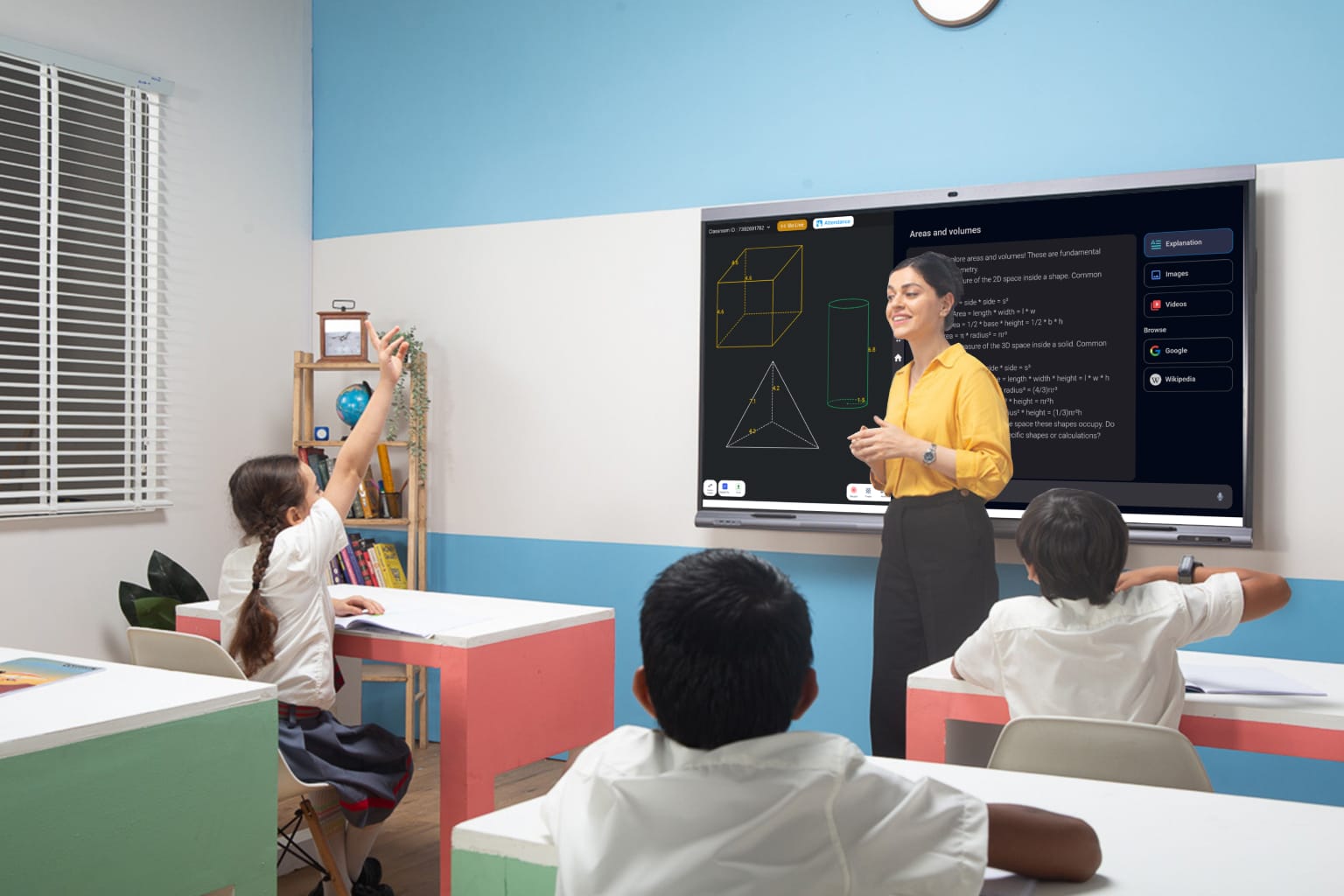
- Use of technology in teaching
Digital tools, interactive content, and collaborative projects are now integral parts of the learning experience. This evolution helps students become active participants rather than passive receivers of information.
Role of Technology in Education
Technology has transformed how knowledge is delivered and consumed.
Key Benefits
- Accessibility: Online platforms allow learning from anywhere
- Flexibility: Self-paced courses cater to different learning styles
- Engagement: Multimedia content enhances understanding
From virtual classrooms to AI-powered learning tools, technology has made education more inclusive and efficient. However, it also requires digital literacy and responsible usage.
Challenges in the Education System
Despite progress, several challenges remain:
- Unequal access to quality education
- Overemphasis on exams and grades
- Lack of practical and skill-based learning
- Digital divide between urban and rural areas
Addressing these issues is essential to ensure that education benefits everyone equally.
The Future of Education
The future of education is likely to be more personalized, flexible, and skill-oriented.
Emerging Trends
- Blended learning (combining online and offline methods)
- Focus on soft skills like communication and teamwork
- Increased use of artificial intelligence in teaching
- Lifelong learning as a necessity, not an option
Education will continue evolving to meet the demands of a rapidly changing global landscape, preparing individuals not just for jobs, but for life.
Conclusion
Education is far more than a formal system—it is the foundation of progress and innovation. As the world continues to change, education must adapt to remain relevant and effective. By focusing on holistic development, embracing technology, and addressing existing challenges, education can empower individuals and transform societies.
FAQs
1. Why is education important in today’s world?
Education helps individuals develop critical thinking, improves career opportunities, and contributes to societal growth and stability.
2. How has technology changed education?
Technology has made learning more accessible, interactive, and flexible through online platforms, digital tools, and virtual classrooms.
3. What are the key differences between traditional and modern education?
Traditional education focuses on memorization and teacher-led instruction, while modern education emphasizes critical thinking, creativity, and student participation.
4. What challenges does the education system face today?
Major challenges include unequal access, outdated teaching methods, overemphasis on exams, and the digital divide.
5. What skills are important for future education?
Skills such as problem-solving, communication, adaptability, and digital literacy are becoming increasingly important.
6. What is lifelong learning?
Lifelong learning refers to the continuous pursuit of knowledge and skills throughout one’s life, beyond formal education.
7. How can education become more effective?
Education can improve by focusing on practical learning, integrating technology, personalizing teaching methods, and ensuring equal access for all.