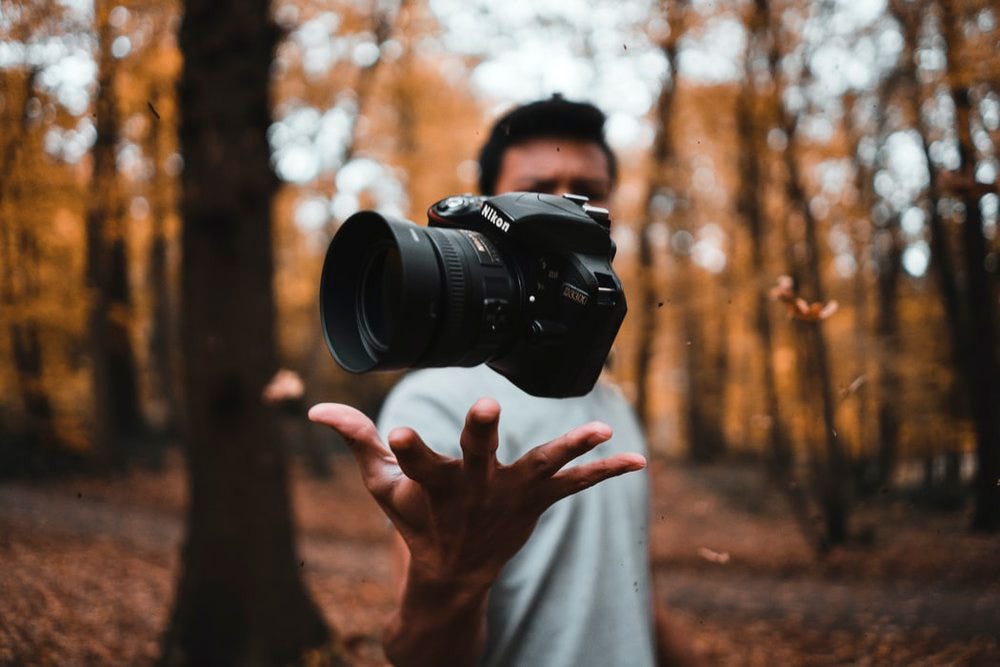
Photography is more than just clicking a button—it is a blend of creativity, technical knowledge, and storytelling. Whether you’re using a smartphone or a professional camera, mastering photography allows you to capture moments, emotions, and perspectives in powerful ways.
Understanding Photography Basics
At its core, photography is about capturing light. Every great photograph is the result of how light interacts with your subject and your camera settings.
Key Elements of Photography
- Light: Natural or artificial, it defines mood and clarity
- Composition: How elements are arranged in a frame
- Focus: Sharpness of the subject
- Exposure: Balance of brightness and darkness
Types of Photography
Different styles serve different purposes. Exploring them helps you discover your creative direction.
Popular Photography Styles
- Portrait Photography: Focuses on people and expressions
- Landscape Photography: Captures nature and wide scenes
- Street Photography: Documents everyday life
- Wildlife Photography: Focuses on animals in natural habitats
- Macro Photography: Captures tiny details up close
Essential Camera Settings Explained
Understanding camera settings gives you control over your photos.
The Exposure Triangle
- Aperture (f-stop): Controls depth of field
- Shutter Speed: Determines motion blur or freeze
- ISO: Adjusts sensitivity to light
Balancing these three elements ensures proper exposure and creative flexibility.
Composition Techniques for Stunning Photos
Good composition can turn an ordinary shot into a masterpiece.
Key Composition Rules
- Rule of Thirds: Divide the frame into a 3×3 grid
- Leading Lines: Guide the viewer’s eye
- Framing: Use natural frames like windows or trees
- Symmetry and Patterns: Create visually pleasing balance
Lighting: The Heart of Photography
Lighting can dramatically change the outcome of your image.
Types of Lighting
- Natural Light: Soft and dynamic, ideal for beginners
- Golden Hour: Warm tones during sunrise/sunset
- Artificial Light: Studio lights, flash, LEDs
Understanding how light falls on your subject helps create depth and mood.
Editing and Post-Processing
Editing enhances your photos without compromising authenticity.
Basic Editing Tips
- Adjust brightness and contrast
- Correct colors and white balance
- Crop for better composition
- Sharpen details subtly
Popular tools include Lightroom, Photoshop, and mobile editing apps.
Photography Gear: What You Really Need
You don’t need expensive equipment to start.
Beginner Essentials
- A camera or smartphone
- Tripod for stability
- Basic editing software
- Extra batteries and memory cards
As you grow, you can invest in lenses and accessories.
Tips to Improve Your Photography Skills
Consistency and practice are key to improvement.
Actionable Tips
- Shoot regularly and experiment
- Study other photographers’ work
- Learn from mistakes
- Focus on storytelling, not just visuals
- Practice in different lighting conditions
Common Mistakes to Avoid
- Over-editing images
- Ignoring composition rules
- Poor lighting choices
- Not understanding camera settings
- Lack of patience
Conclusion
Photography is both an art and a technical skill that evolves with practice. By understanding the fundamentals, experimenting with styles, and refining your eye for detail, you can create compelling and meaningful images. The journey of photography is continuous—every shot is a learning experience.
FAQs
1. What is the best camera for beginners?
A beginner can start with a smartphone or an entry-level DSLR/mirrorless camera. The focus should be on learning rather than gear.
2. How can I improve my composition skills?
Practice using techniques like the rule of thirds, framing, and leading lines. Analyze professional photos for inspiration.
3. Is editing necessary in photography?
Yes, basic editing helps enhance colors, lighting, and overall quality without altering the authenticity.
4. What is the golden hour in photography?
It is the time shortly after sunrise or before sunset when light is soft, warm, and ideal for photography.
5. How do I take sharp photos?
Use proper focus, stable hands or a tripod, and appropriate shutter speed to avoid blur.
6. Can I learn photography without formal training?
Absolutely. Many photographers are self-taught through practice, online resources, and experimentation.
7. What is the most important rule in photography?
There is no strict rule—understanding basics is important, but creativity and storytelling matter most.