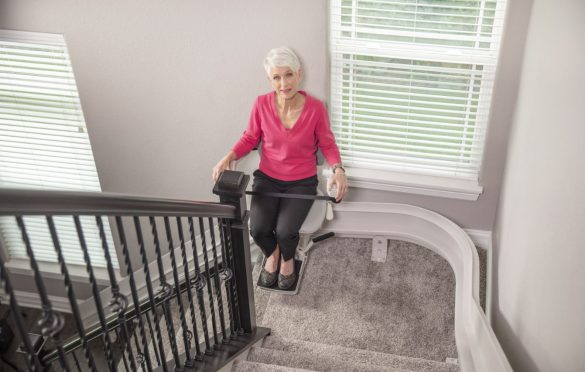
For people in the United Kingdom who are living with mobility challenges, the sanctity and comfort of their homes can become an elusive dream, especially when they are faced with the daunting prospect of getting older and living in a multi-story property. However, in the realm of home accessibility, there exists a transformative solution that you may not have considered which can turn this dream into a reality: the humble yet ingenious stairlift. The layout of multi-story homes across the United Kingdom can pose a formidable challenge for people who are experiencing or living with mobility issues. Stairs, once an everyday convenience, can become insurmountable obstacles while stairlift services in Shrewsbury offers an elegant solution, enabling elderly people to glide smoothly up and down stairs, unburdened by their own physical limitations.
Beyond the high level of practicality of traversing different floors, stairlifts have become bastions of safety and comfort for elderly people across the UK. The fear of accidents while climbing stairs can be a constant source of anxiety for people who are living with mobility challenges. However, Stairlifts are able to eliminate this fear, offering a secure and stable means of transport.
- Ascend or descend the stairs at your own pace
- Choose a seated or standing position
- Ensure both safety and comfort
To summarise, the installation of a stairlift in a multi-story home transcends the mere addition of a piece of equipment; it represents the reinstatement of freedom and the resumption of a comfortable, fulfilled life for elderly people across the United Kingdom.