Introduction
Fuel efficiency is more than just saving money—it directly impacts your vehicle’s performance, lifespan, and environmental footprint. With rising fuel costs and growing environmental awareness, improving mileage has become a priority for many drivers.
The good news is that small changes in driving habits and maintenance can significantly boost your car’s fuel efficiency without any major investment.
Maintain Proper Tire Pressure
Why It Matters
Underinflated tires create more resistance on the road, forcing your engine to work harder and consume more fuel.
What you should do:
- Check tire pressure at least once a month
- Follow the recommended PSI in your car manual
- Inflate tires before long trips
Properly inflated tires can improve fuel efficiency by up to 3–5%.
Drive Smoothly and Avoid Aggressive Driving
Gentle Driving Saves Fuel
Rapid acceleration and sudden braking waste fuel. Smooth driving helps maintain consistent energy use.
Best practices:
- Accelerate gradually
- Maintain steady speeds
- Avoid unnecessary braking
Aggressive driving can lower fuel efficiency by 15–30%, especially in city traffic.
Reduce Excess Weight
Lighten the Load
Carrying unnecessary weight increases fuel consumption because the engine has to work harder.
Tips:
- Remove unused items from the trunk
- Avoid carrying heavy loads unless necessary
- Travel light for daily commutes
Even an extra 50–100 kg can noticeably impact mileage.
Limit Use of Air Conditioning
Smart Cooling Habits
Air conditioning increases engine load, especially at low speeds.
How to manage it:
- Use AC only when needed
- At lower speeds, consider rolling down windows
- Park in shaded areas to keep the car cool
Balancing comfort and efficiency can help reduce fuel consumption.
Keep Your Engine Well Maintained
Regular Servicing is Key
A poorly maintained engine burns more fuel and delivers less performance.
Maintenance essentials:
- Change engine oil regularly
- Replace air filters when dirty
- Keep spark plugs in good condition
A well-maintained engine ensures optimal combustion and efficiency.
Use the Right Gear and Driving Speed
Optimize Engine Performance
Driving in the wrong gear or at inconsistent speeds wastes fuel.
Recommendations:
- Shift gears at the right RPM
- Avoid driving at very high speeds
- Use cruise control on highways when possible
Most cars are most fuel-efficient between 50–80 km/h.
Avoid Idling for Long Periods
Turn Off When Idle
Keeping your engine running while stationary wastes fuel unnecessarily.
What to do:
- Turn off the engine at long traffic signals
- Avoid warming up the car for too long
- Use start-stop features if available
Modern engines don’t need extended idling to function properly.
Improve Aerodynamics
Reduce Air Resistance
External attachments increase drag and reduce efficiency.
Helpful tips:
- Remove roof racks when not in use
- Keep windows closed at high speeds
- Ensure proper alignment of body parts
Better aerodynamics allow your car to move more efficiently through air.
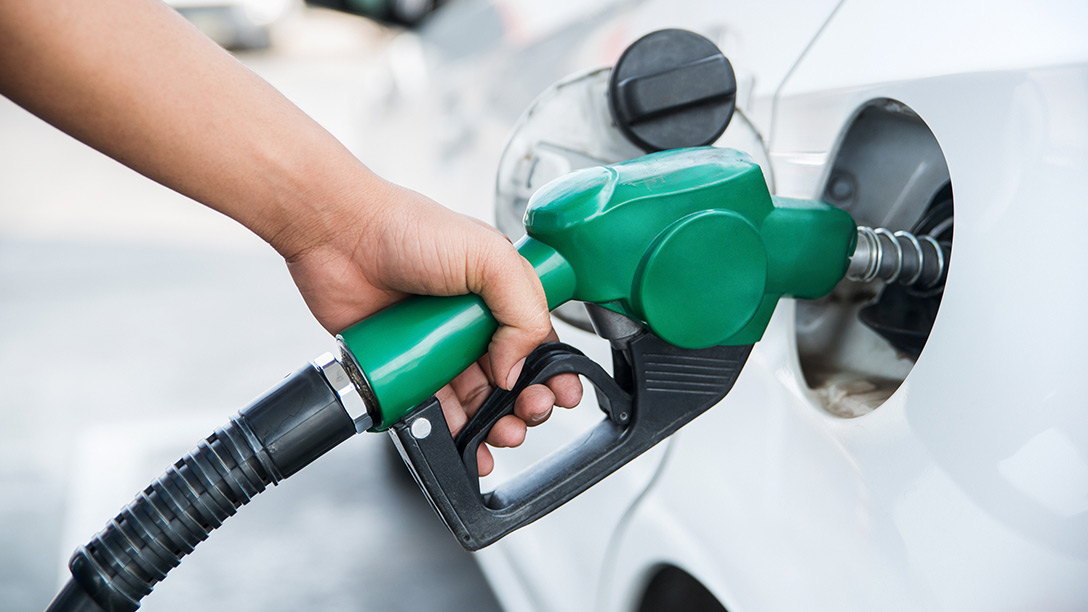
Choose Quality Fuel
Not All Fuel is Equal
Using low-quality fuel can reduce engine efficiency and performance.
Best practices:
- Refuel from trusted stations
- Use the recommended fuel type for your car
- Avoid mixing different fuel grades unnecessarily
Good fuel quality ensures clean combustion and better mileage.
Plan Your Trips Efficiently
Smart Travel Saves Fuel
Frequent short trips and poor route planning increase fuel usage.
Tips:
- Combine multiple errands into one trip
- Avoid peak traffic hours
- Use navigation apps to find the shortest routes
Efficient planning reduces both fuel consumption and travel time.
Conclusion
Improving your car’s fuel efficiency doesn’t require drastic changes. By adopting better driving habits, regular maintenance, and smart planning, you can significantly reduce fuel consumption and save money over time.
These small efforts not only benefit your wallet but also contribute to a cleaner and more sustainable environment.
Frequently Asked Questions (FAQs)
1. What is the easiest way to improve fuel efficiency?
Maintaining proper tire pressure and driving smoothly are the simplest and most effective ways.
2. Does speeding reduce fuel efficiency?
Yes, driving at high speeds increases fuel consumption due to greater air resistance.
3. How often should I service my car for better mileage?
Regular servicing every 5,000–10,000 km is generally recommended, depending on the vehicle.
4. Does air conditioning affect fuel consumption?
Yes, AC increases engine load and can reduce fuel efficiency, especially in city driving.
5. Is premium fuel better for mileage?
Only if your car is designed for it. Otherwise, it may not significantly improve efficiency.
6. Can removing extra weight really make a difference?
Yes, less weight means less effort for the engine, improving fuel economy.
7. Do short trips consume more fuel?
Yes, engines use more fuel during short trips because they don’t reach optimal operating temperature.